Best Cardiologist in Ch. Rahmat Ali Hospital, Lahore
Heart health is one of the most important factors of overall well-being. Millions of people throughout the world suffer from cardiovascular disorders, including high blood pressure, coronary artery disease, heart rhythm difficulties, and heart failure. Early diagnosis, appropriate treatment, and regular medical checks can help individuals maintain heart health and reduce the risk of serious consequences.
Better heart health with reliable healthcare information: Searching for the Best Cardiologist in Lahore. Ch. Rahmat Ali Hospital, Lahore offers healthcare services for patients’ health problems and advises on treatment options. This post will cover the importance of cardiology, common heart issues, warning signs that need medical attention, and how patients can prepare for a cardiology appointment.
Why Choose Best Cardiologist in Lahore for Heart Care?
If you have heart difficulties, you need to consider hard about which hospital to go to. Patients must have access to qualified medical personnel, appropriate diagnostic facilities, healthcare services, and clear communication.
Ch. Rahmat Ali Hospital Lahore is a medical center where people in need can receive medical treatment and cardiac care services. If you are looking for a Best Cardiologist in Lahore, patients should consider:
Cardiology – medical qualifications and essential experience
Cardiac Consults Offered
Diagnostic testing facilities
Patient Advice and Communication
Access and arranging an appointment
Post-treatment advice and follow-up
Patients should verify the availability of Best Cardiologist in Lahore, consultation times, and diagnostic services with the hospital before visiting.
Understanding the Role of a Cardiologist
Best Cardiologist in Lahore diagnose, evaluate, and treat heart and blood vessel conditions. Best Cardiologist in Lahore help patients understand their cardiovascular health and establish treatment regimens tailored to their medical needs.
A cardiologist might advise on:
High blood pressure
Coronary artery disease
Heart rhythms problems
Cardiac failure
Chest pain
Cardiovascular risk factor
Preventive heart health
If you have recurring symptoms or if someone in your family has suffered from cardiovascular disease, you might wish to discuss your concerns with a knowledgeable healthcare specialist.
Common Heart Conditions That Require Medical Attention
Heart disease can develop gradually or suddenly. If you recognize early indicators and seek medical care, you can prevent problems.
High Blood Pressure
High blood pressure or hypertension is when blood consistently exerts too much pressure on artery walls. It’s sometimes called a silent disease because many patients don’t show noticeable symptoms.
High blood pressure that’s not treated raises your risk of heart attack, stroke, renal disease, and other complications.
You can control this disease by checking your blood pressure regularly, taking your medicines as prescribed, eating a well-rounded diet, and staying physically active.
Coronary Artery Disease
Coronary artery disease, which is caused by narrowing of the blood arteries that supply blood to the heart, is commonly caused by plaque formation.
Symptoms may include chest pain, shortness of breath, tiredness, and discomfort during physical exercise.
The cardiologist will review your symptoms and recommend appropriate diagnostic tests and treatment.
Heart Rhythm Disorders
Arrhythmia — Heart rhythm abnormalities happen when the heart beats too fast, too slow, or irregularly.
Patients may develop palpitations, dizziness, tiredness, or syncope.
A medical examination is crucial because some rhythm disorders require monitoring or treatment.
Heart Failure
Heart failure means the heart does not pump blood as well as it should to supply the body’s needs.
Typical symptoms may include shortness of breath, limb swelling, tiredness, and difficulty breathing when lying flat.
How is it treated? Treatment depends on the cause and may include medication, lifestyle changes, and regular checkups.
Symptoms That Should Not Be Ignored
Knowing the warning signals of cardiovascular disease is key to good health.
Common symptoms that may necessitate medical assessment are:
Recurrent or persistent chest pain
Breathing problems
Unexplained tiredness
Dizziness or loss of consciousness
Atrial fibrillation
Swelling of the legs or ankles
Decreased exercise capacity
Note: Sudden chest pain or pressure, significant trouble breathing, fainting, or discomfort that radiates to your arm, jaw, back, or shoulder may be a medical emergency. Get medical attention right now instead of waiting for a regular appointment.
Importance of Regular Heart Checkups
“Preventive healthcare is crucial in reducing cardiovascular risks. Regular exams help healthcare specialists identify risk factors before major symptoms occur.
A heart health exam may include:
Measurement of blood pressure
Medical History Check-Up
Clinical examination
Tests for cholesterol
Blood sugar monitoring
Electrocardiogram (ECG) as indicated
Other diagnostic tests based on clinical assessment
Not every patient requires all tests. A health expert will decide what tests to order based on your symptoms, medical history, and individual risk factors.
People with diabetes, hypertension, high cholesterol, obesity, or a family history of heart disease should talk to their healthcare provider about suitable screening.
Lifestyle Tips for Better Heart Health
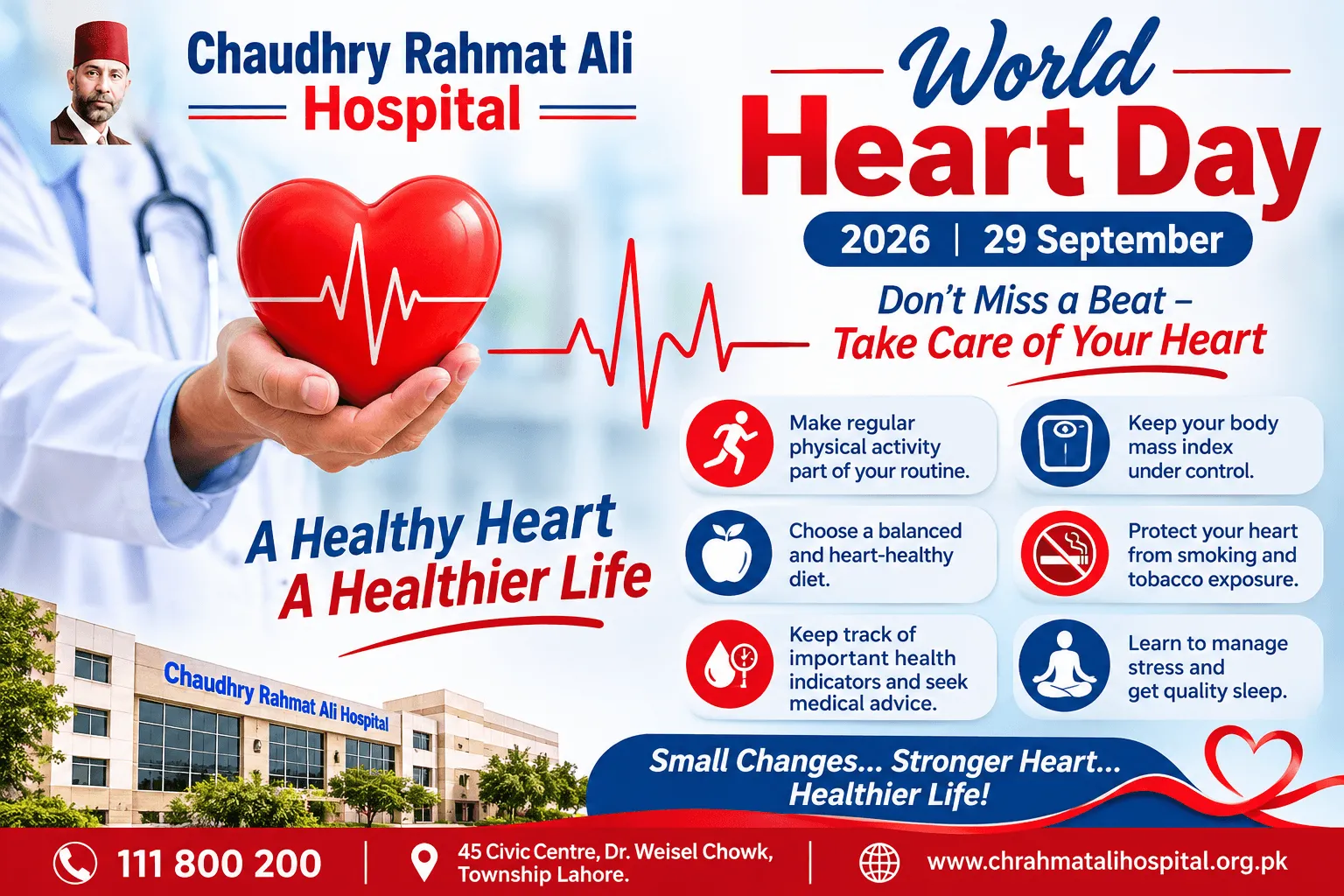
Daily healthy practices can promote cardiovascular health and reduce the risk of many heart diseases.
Maintain a Balanced Diet
Pick veggies, fruit, whole grains, legumes, and good protein sources. Limit salt, fizzy drinks, and foods high in saturated and trans fats.
Stay Physically Active
Regular activity supports heart health. Health authorities recommend that adults get at least 150 minutes of moderate-intensity activity a week, unless a healthcare expert advises otherwise.
Avoid Smoking
Smoking destroys blood arteries and raises the risk of heart disease. One of the most significant actions you can take to improve heart health is to stop smoking.
Manage Stress
Long-term stress can negatively affect health and lifestyle patterns. Stress management may include relaxation techniques, sufficient sleep, and supportive relationships.
Monitor Existing Conditions
People with diabetes, high blood pressure, or high cholesterol should follow their health care provider’s advice and take any medications as directed.
Preparing for a Cardiologist Appointment
The more prepared a patient is before the consultation, the more productive it will be.
Some things to bring:
History of past illness
Current blood test results
Current Medications
Blood pressure records, if available
Details of symptoms, including when they occur
Family history of cardiovascular disease
Patients should also prepare questions about their diagnosis, treatment options, drug side effects, and any indicated lifestyle adjustments.
If you plan to visit Ch. Rahmat Ali Hospital Lahore for a cardiac consultation, call the hospital before your visit to confirm Best Cardiologist in Lahore, the appointment process, and the services offered.
Conclusion
Heart health needs attention, prevention, and proper medical care. “Knowing the signs, managing cardiovascular risk factors, and making the right medical appointments can help people take care of their long-term health.”
Best Cardiologist in Lahore: Before booking an appointment, review the Best Cardiologist in Lahore, experience, consultation availability, and hospital amenities.
For information on Best Cardiologist in Lahore and consultation arrangements, please get in touch with the hospital directly at Ch. Rahmat Ali Hospital, Lahore. Taking measures today toward heart health will help ensure a better tomorrow.
Frequently Asked Questions (FAQs)
How to find a top cardiologist at Ch. Rahmat Ali Hospital, Lahore?
Contact the hospital for details on the availability of Best Cardiologist in Lahore, their qualifications, experience, consultation schedules, and how to arrange an appointment.
What do cardiologists treat?
Best Cardiologist in Lahore diagnose and treat problems such as excessive blood pressure, coronary artery disease, heart rhythm issues, and heart failure.
When should you see a cardiologist?
A Best Cardiologist in Lahore should assess persistent chest pain, palpitations, unexplained exhaustion, shortness of breath, or disorientation. Call for emergency help if symptoms develop quickly and are severe.
What tests are done during a heart examination?
You may have your blood pressure taken. You may be asked to have an ECG, cholesterol test, blood sugar test, or other tests. It depends on your symptoms.
How can I make an appointment with a cardiologist at Ch. Rahmat Ali Hospital Lahore?
For cardiology availability details, appointment schedule, and booking method, please contact Ch. Rahmat Ali Hospital Lahore or visit its official website.
Hospital website: http://www.chrahmatalihospital.org.pk

support_665579