Eye Problems: Common Conditions and When to See an Ophthalmologist
Eye problems are quite common in the community and affect individuals of all ages, from children suffering from bad vision to older people who suffer from age-related issues with sight. Vision is essential, and even minor problems should not be ignored.
Sometimes, the issue develops slowly, without any special symptoms, but it can also appear suddenly and require immediate medical care. Knowing what causes these issues is essential for anyone who wants to preserve their eyesight.
Ch. Rahmat Ali Hospital is a healthcare organization that prioritizes patient education and health literacy. This article highlights various eye diseases, their symptoms, and when to call a healthcare worker.
Understanding Eye Problems
The eyes are intricate organs that help us see and interact with the environment. They rely on different components to function, including the cornea, lens, retina, optic nerve, and surrounding muscles.
If any section of the eye is affected, this may result in problems in:
Quality of vision
Comfort in the eyes
Sensitivity to light
Movements of the eyes
Overall condition of the eyes
Eye problems can result from infections, injuries, lifestyle, ageing, hereditary conditions, or previous illnesses. Early detection of symptoms ensures a person gets help before something worse develops.
Common Eye Problems People Experience
Refractive Errors
Refractive errors are among the most common vision issues. These errors occur when the eyes do not focus light properly onto the retina.
The types of refractive errors vary:Myopia
A person with myopia can see things up close. However, they find it difficult to see things at a distance.
Hyperopia
Hyperopia causes distant letters to appear unclear, straining the eyes.
Astigmatism
Astigmatism occurs when the eye’s shape hinders proper focus.
To determine the condition of the eye and the available corrections, you need a routine eye exam.
Dry Eyes
Dry eye results from insufficient tear production or rapid tear evaporation.
Common symptoms include:
Sensation of burning
Irritation
Redness
Feeling as if something is inside the eye
Vision becomes blurred
Different factors may cause dry eyes:
Long screen time
Environmental conditions
Medications
Reduced tear production
People who use computers or smartphones for long periods may experience increased eye discomfort.
Eye Infections
An eye infection can affect one or more areas of the eye and can cause discomfort.
Indications of an eye infection may include:
Bloodshot eyes.
Swollen eyes.
Discharge from the eye.
Itching.
Hypersensitivity to light.
Viruses, bacteria, or other factors can cause eye infections. With proper medical evaluation, a doctor can prescribe the right treatment.
Preventing eye rubbing, practicing basic hygiene, and avoiding sharing eye products help reduce the risk of eye infection.
Cataracts
A cataract is a condition in which the eye’s natural lens becomes cloudy. It is commonly associated with ageing but can also be caused by other factors.
Some of the signs include:
Blurred vision
Difficulty seeing during the night
Increasing sensitivity to light
Faded colors
As cataracts develop, they slowly interfere with daily activities such as reading, driving, and recognising people. Regular eye checks help monitor vision changes throughout the lifetime.
Glaucoma
Glaucoma is an eye condition that impacts the optic nerve. In some cases, it progresses slowly without any overt symptoms at first.
Some warning signs may include:
Changes in peripheral vision
Eye irritation
Changes in vision
Because the condition may not be apparent early on, regular eye checks are critical, especially for people with certain risk factors.
Eye Injuries
Eye injuries can occur from accidents, workplace injuries, sports injuries, and exposure to harmful materials.
Some of the causes are:
Foreign objects entering the eye
Scratches or abrasions to the surface of the eye
Chemical burns
Blunt trauma
Take eye injuries seriously because delays in treatment increase the risk of complications.
Symptoms That Should Not Be Ignored
Various eye conditions can cause a range of symptoms. Some are serious and require professional advice.
It is highly advisable to consult a specialist if you notice:
Vision changes taking place suddenly.
Constant pain in the eye
Extreme redness
Swelling with no cause
Sudden flashes of light
Appearance of new floaters
Trouble seeing things clearly
Too much sensitivity to light
The earlier you have the condition checked, the easier it is to find the cause of eye problems.
Causes and Risk Factors Behind Eye Problems
Several factors can put someone at risk for developing eye problems.
Age
Many eye problems become much more prominent in older adults.
Familial History
Some eye problems are hereditary.
Medical Issues
Some diseases affect eye health.
Screen Exposure
Long periods of screen time can also cause eye problems.
Lifestyle Choices
Lack of good nutrition, lack of eye protection, and unhealthy habits can negatively affect eye health.
When Should You Visit an Ophthalmologist?
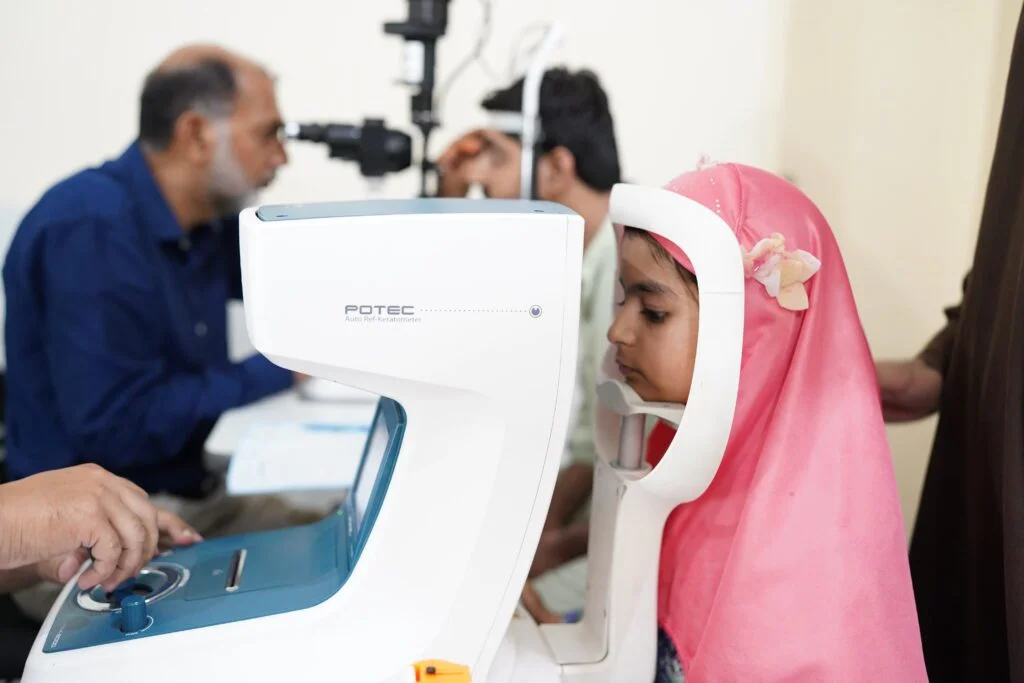
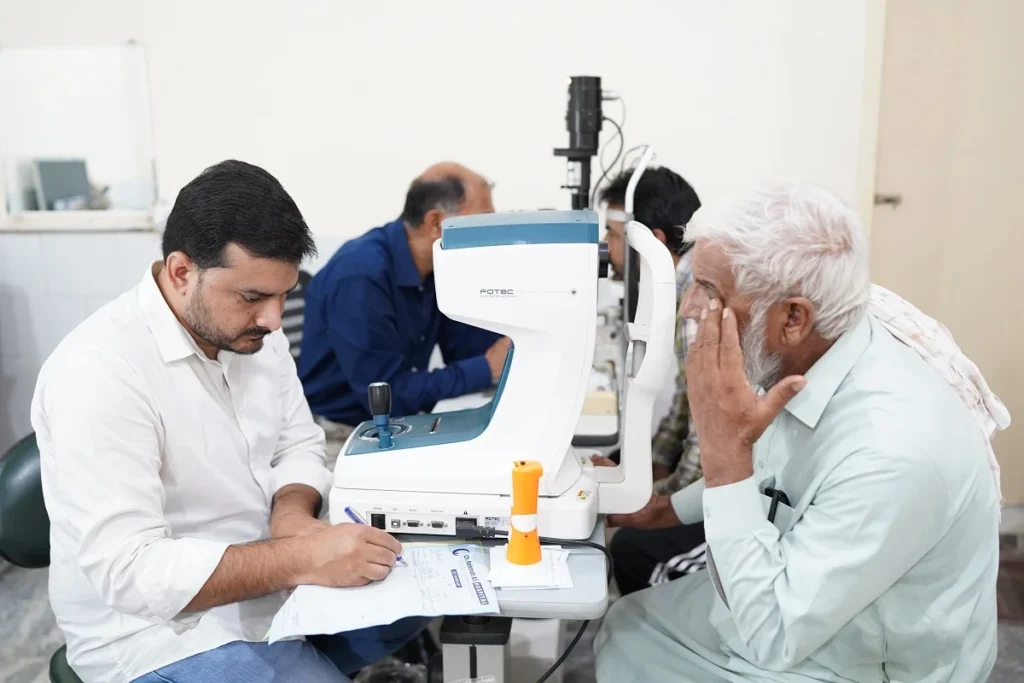
People often put off eye check-ups until they notice clear symptoms. Regular check-ups, however, help spot problems early.
So, if you experience the following, do not hesitate to consult an eye doctor:
Persistent vision disturbances
Pain or discomfort in your eyes
A sudden change in your vision
Problems reading or focusing
Frequent headaches that may be related to your vision
Difference Between an Eye Doctor and an Ophthalmologist
Most people use the terms “eye doctor” and “ophthalmologist” interchangeably, but understanding their different roles can help patients choose the right healthcare provider.
Ophthalmologists are medical professionals who specialize in eye health, vision issues, and many eye diseases, and they can treat a wide range of conditions.
Patients dealing with persistent vision problems should consult a qualified eye doctor for an appropriate assessment.
Available Eye Care and Treatment Approaches
First, it’s important to understand the cause of the eye problem to determine the best treatment.
Some of the options recommended by health care providers include
Vision testing
Examination of the eyes
Prescription of lenses
Medicinal treatment if necessary
Referring the patient to a specialist if needed
Patients should not treat eye problems on their own, as each problem needs an appropriate solution.
Eye Care Tips for Better Vision Health
Preserving ocular health comes down to a few daily practices.
Adhere to Good Screen HabitsIf you wish to avoid experiencing digital eye strain:
Make sure to take breaks from the screen from time to time
Keep the screen far enough from your eyes.
Change lighting
Pay Attention to Eye Hygiene
Try not to touch or rub your eyes, keep your hands clean, and don’t share eye-related items.
Use Eye Protection When Necessary
Wearing proper protective glasses can help prevent eye injuries during certain activities.
Have Eye Check-Ups Regularly
Regular tests can help catch vision problems early, before symptoms appear.
Eye Healthcare Awareness in Pakistan
The importance of proper eye care and community awareness in Pakistan today cannot be overlooked. Many people take early vision problems lightly, thinking they are temporary or normal.
Regular eye checkups are important for children, older people, and people at risk.
Health facilities across Pakistan, such as Ch. Rahmat Ali Hospital, encourage people to seek an examination as soon as they notice any changes in their eyesight or eye comfort.
Frequently Asked Questions
What are the most frequent eye problems?
The most common eye disorders include refractive errors, dry eye, infections, cataracts, glaucoma, and trauma.
When to see an eye doctor?
If you encounter visual changes, persistent discomfort, eye pain, redness, or other unusual symptoms, see an eye doctor.
How often should I have an eye exam?
The frequency of eye examinations depends on your age, health status, and specific risk factors. A healthcare professional can give the right advice.
Is screen time ruining your eyes?
Extended screen time can lead to eye strain, dryness, and discomfort. Regular breaks reduce tension.
How to find an ophthalmologist in Lahore?
Patients can visit qualified hospitals and healthcare institutions to find skilled eye doctors for a proper evaluation.
Do Aging Eyes Lead to Eye Problems?
No. Eye diseases are not limited to any one age group. They may be caused by genetics, injury, infection, lifestyle, or other factors.
Conclusion
Awareness of different eye-related conditions can help people identify symptoms early and protect their eyesight. Early treatment can be necessary to keep eyes healthy.
Regular eye examinations, healthy lifestyle habits, and professional advice are important for avoiding eye problems. Those who experience vision changes or recurring eye pain should consult a qualified eye doctor.
Ch. Rahmat Ali Hospital would like to emphasize that patients should pay attention to eye health and seek professional help whenever they experience vision problems.

support_665579