Being aware of when to visit a cardiologist in Lahore can help you get the right medical advice for heart-related symptoms. If you experience recurrent chest pain, shortness of breath, heart palpitations, unexplained dizziness, loss of consciousness, or a known medical issue such as high blood pressure or high cholesterol, you should see a doctor.
A cardiologist is a specialist doctor who diagnoses and treats diseases related to the heart and cardiovascular system. Not all symptoms mean that you have heart disease. An experienced doctor can evaluate your symptoms and medical history and determine whether you need cardiac tests or specialist treatment.
When to visit a cardiologist?
If you are experiencing persistent or unexplained chest discomfort, shortness of breath, an irregular heart rate, fainting, low physical activity level, or other symptoms related to heart issues, you might want to visit a cardiologist. Also, people with risk factors for cardiovascular diseases like hypertension, high cholesterol, diabetes, smoking, or family history should talk to their doctors about their heart health.
Severe or acute pains in the chest that are also associated with breathlessness, loss of consciousness, perspiration, or discomfort radiating to the arms and back, neck, or jaw may need urgent medical help.
Functions of a Cardiologist
A cardiologist is a specialized doctor who looks at the heart and the cardiovascular system.
A cardiologist may diagnose problems like
Hypertension
Ischemic heart disease
Angina
Heart failure
Arrhythmias
Heart valvular disease
Hyperlipidemia
It is important to note that the diagnosis may be contingent upon the specific complaints, symptoms, personal history, physical examination, and risk factors of the patient.
A cardiologist in Lahore may also recommend some diagnostic tests, such as ECG, echocardiogram, blood tests, and other cardiovascular studies, if needed.
When Should You Go See a Cardiologist in Lahore?
No one symptom is enough to conclude whether one has to consult a cardiologist. The decision depends on the type, intensity, time period, and combination of symptoms one has, as well as individual risk factors.
If one encounters the following issues, he/she should consult a physician:
Continuous or Returning Chest Pain/Discomfort
Pain in one’s chest or feeling pressure or tightness in it is an experience that has many causes. A number of cardiac illnesses can cause pain in one’s chest, especially during strain.
If one experiences new, sudden, or chronic chest pain/discomfort, seeking medical help is better than self-diagnosis.
Difficulties Breathing
Suffering from breathlessness in normal situations or not being able to breathe during strain can be related to some heart disease.
It should be noted that difficulties in breathing might occur because of lung disease or other health problems; hence, a doctor should find the reason.
Arrhythmia
One feels his/her heart pounding or racing, which is called arrhythmia. Arrhythmia, or feeling one’s heart racing, can be caused by numerous factors, including stress or drinking coffee.
Feeling dizzy or fainting
Feeling dizzy or lightheaded is sometimes explained by an irregular heartbeat or other cardiovascular conditions.
A fainting spell, particularly one related to physical activity or other signs such as chest pain or increased heart rate, should prompt medical evaluation.
Unusual fatigue
Unforeseen fatigue can be caused by a variety of factors. Some cardiovascular disease symptoms include feeling tired along with feeling breathless.
If fatigue persists or comes with other symptoms, consult a healthcare professional.
Foot and leg swelling
Leg, foot, or ankle swelling can indicate many conditions. It may be a sign of a condition that affects the heart’s ability to pump blood efficiently.
A healthcare professional can assess swelling to determine if it is cardiac-related or due to another condition.
What Factors May Indicate the Need for a Cardiovascular Assessment?
There are individuals who require a cardiovascular evaluation even when they do not show any warning signs.
The most common risk factors include:
Hypertension
Hyperlipidemia
Diabetes
Tobacco smoking
Obesity
Lack of physical activity
A genetic history of cardiovascular illness
Increased age
Personal previous cardiovascular issues
The presence of any one of these factors is not an indication for getting treatment from a specialist.
What Is the Difference Between a Specialist in Cardiology and a General Practitioner?
A cardiologist in Lahore is a cardiology specialist. A family doctor can make a more general assessment of any health problem and refer a patient to the cardiologist if needed.
For instance, a family doctor may notice that the blood pressure of his patient is constantly high, or he may hear irregular heart sounds, or even see symptoms that concern him and that are related to heart disease.
What Occurs in a Cardiology Consult?
A first consultation in cardiology generally begins with a conversation with your doctor regarding your signs and symptoms.
The doctor may inquire about:
The onset of your symptoms
Frequency of the symptoms
What improves or worsens the symptoms
Prior illnesses
Current medications
Family medical history
Blood pressure or cholesterol problems
Smoking and other lifestyle factors of importance
The doctor may also perform a physical examination and go through previous medical reports.
The tests that are recommended depend on the clinical assessment and symptoms of the patient.
ECG
An electrocardiogram records the electrical activity of the heart.
Echocardiography
An echocardiogram utilizes ultrasound technology to produce the heart’s images. It is a critical means of evaluation of the heart’s structure and functioning.
Blood Analyses
Blood analyses are performed to obtain insights into risk factors associated with cardiovascular diseases, for example, cholesterol levels, and to evaluate various issues concerning the patient’s condition.
Blood Pressure Measurement
Blood pressure measurement is one of the most crucial components of cardiovascular assessment since persistent hypertension increases the risk of heart and vascular diseases.
Extra tests may be assigned based on each specific case.
Is It Enough to See a Cardiologist?
Specific symptoms require emergency medical services as opposed to a regular visit to a cardiologist.
In any case of such symptoms as
Persistent or sudden chest discomfort or pressure
Breathing difficulty
Fainting
Chest discomfort with cold sweating or weakness
Chest discomfort radiating into hand, shoulder, back, neck, or jaw
Severe symptoms together with a fast or irregular heartbeat
Do not wait for a clinical visit with your doctor if you believe you have a medical emergency.
The Emergency Department of Ch. Rahmat Ali Hospital claims to offer emergency services around the clock that assess urgent cases such as cardiac arrest, passing out, heart palpitations, and other emergencies.
How to Get Ready for Your First Appointment in Cardiology
A little preparation can help your consultation be more effective.
Make sure to bring:
Your former ECG and echocardiogram results
Your recent blood work results
A list of all medicines you are taking
Information about your past diseases
Relevant information about your family members’ diseases
A short note on the time you experienced your symptoms
If your symptoms come and go, try to write down the time when they occur and what you were doing then to provide the doctor with some important information about the symptoms’ patterns.
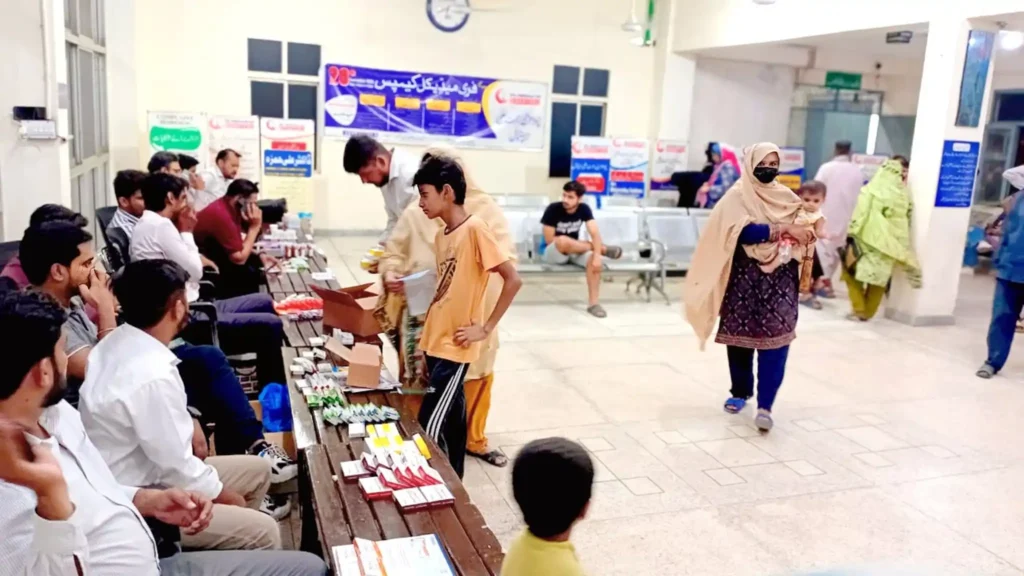
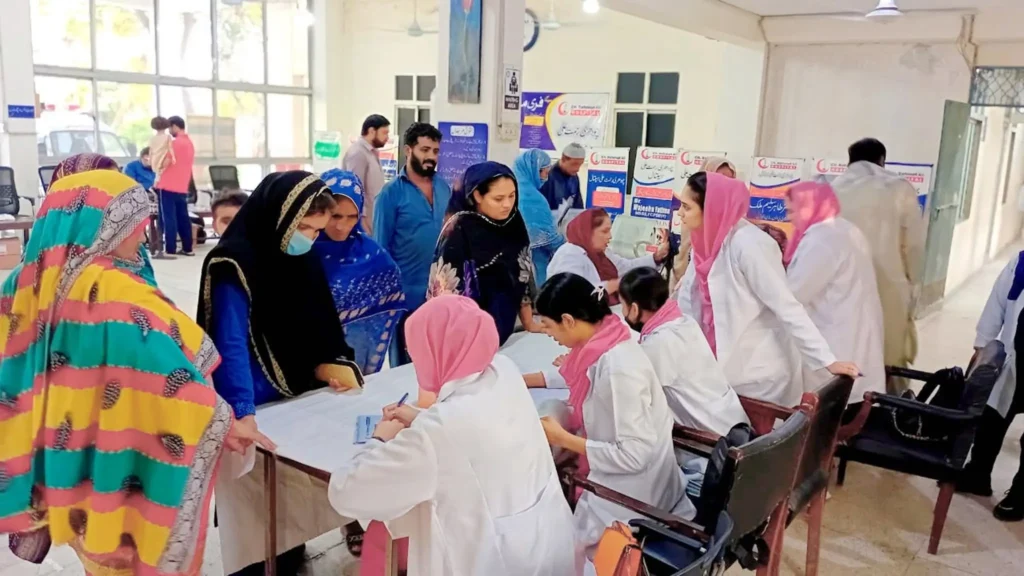
How Ch. Rahmat Ali Hospital May Assist You
Ch. Rahmat Ali Hospital offers cardiology services in Township, Lahore. Its Cardiology Department provides services like ECG, echocardiography, blood pressure management, chest pain evaluation, heart failure and arrhythmia management, cardiovascular risk assessment, cholesterol management, and follow-ups after heart incidents.
Two cardiologists, Dr. Aqeel Asghar and Dr. Qasim Rauf with MBBS and FCPS diplomas, are the ones who offer cardiology services at the hospital.
Final Thought
Knowing when to consult a cardiologist in Lahore can allow you to get the right care when signs or cardiovascular risk factors need special attention. Symptoms that may lead to seeing the specialist range from chest discomfort, trouble breathing, heart palpitations, collapse, unusual tiredness, and some risk factors.
In cases of severe or sudden symptoms, especially with heart pain and breathing difficulties, a person should go to an emergency medical institution instead of waiting for a regular appointment.
For situations that are not urgent, contacting a cardiologist will help establish whether it is necessary to undergo additional assessments, heart check-ups, or constant control.
Frequently Asked Questions
When is it time to consult a cardiologist in Lahore?
A cardiologist in Lahore should be consulted when you suffer from persistent or unexplained discomfort in your chest, shortness of breath, fluttering of the heart, weakness, or reduced tolerance to physical activity, or when you are at risk of having heart disease.
What symptoms make it necessary to contact a cardiologist?
Look out for symptoms such as persistent or unexplained chest pain, breathlessness, heart racing, dizziness, fainting, abnormal fatigue, or swelling in your legs and feet.
Is it possible to need the help of a cardiologist to cope with high blood pressure?
Patients suffering from high blood pressure are usually treated by a doctor who will be able to prescribe appropriate treatment in most cases. Nevertheless, a cardiology assessment may be needed if the patient’s blood pressure is difficult to control, there are complications related to cardiovascular diseases present, or when the physician needs to perform further tests.
What services does a cardiologist provide?
A cardiologist can investigate your symptoms, health history, cardiovascular risk factors, blood pressure, heart rhythm, etc. Depending on the type of problem you have, several tests may be recommended, including ECG and echocardiography.
What distinguishes a cardiologist from a general physician?
General physicians treat diverse medical ailments, while cardiologists work on heart and circulatory system disorders. A general physician may recommend seeing a cardiologist if a specialist assessment is needed.
Will I have to undergo an ECG when I see a cardiologist?
Not automatically. The requirement for an ECG is influenced by your symptoms, medical history, physical examination, and clinical evaluation of the physician. An ECG will be requested if the physician needs to analyze the heart rhythm or electrical activity.
Where do I need to go to find a cardiologist in Lahore?
The Ch. Rahmat Ali Hospital has a cardiology wing in Township, Lahore, and presently has cardiologists such as Dr. Aqeel Asghar and Dr. Qasim Rauf among its consulting medical staff.
Will I have to go to a cardiologist in Lahore or an emergency department in case of chest pain?
If you feel sudden, agonizing pain in the chest, especially along with experiencing difficulty breathing, previous fainting, sweating, extreme weakness, or other forms of pain, treatment for such pain should be sought in an emergency room, as it may lead to serious outcomes.


support_665579