Sohail Kibriya’s Visit to Ch. Rahmat Ali Hospital: Celebrating a Legacy of Healthcare and Engineering Excellence
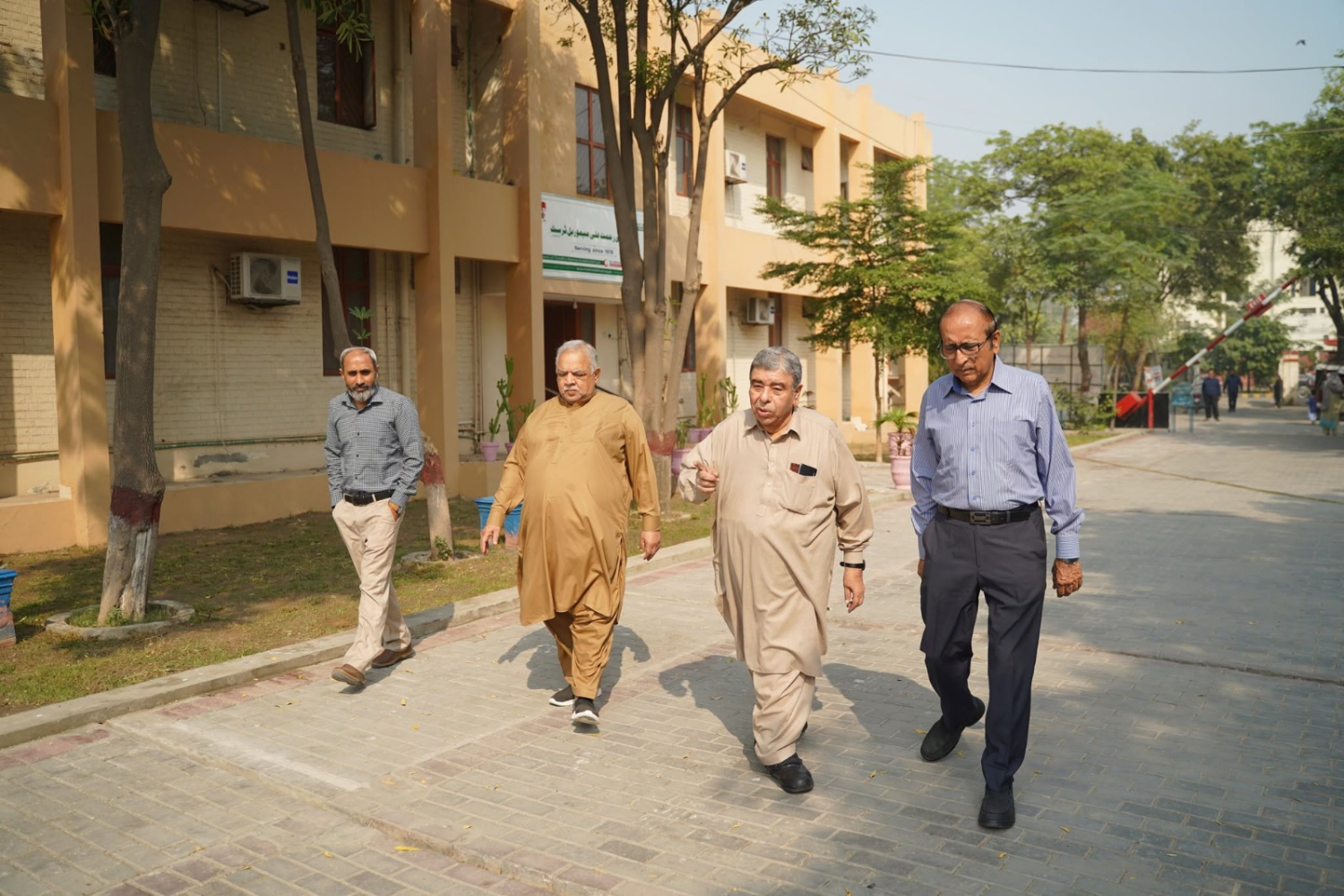
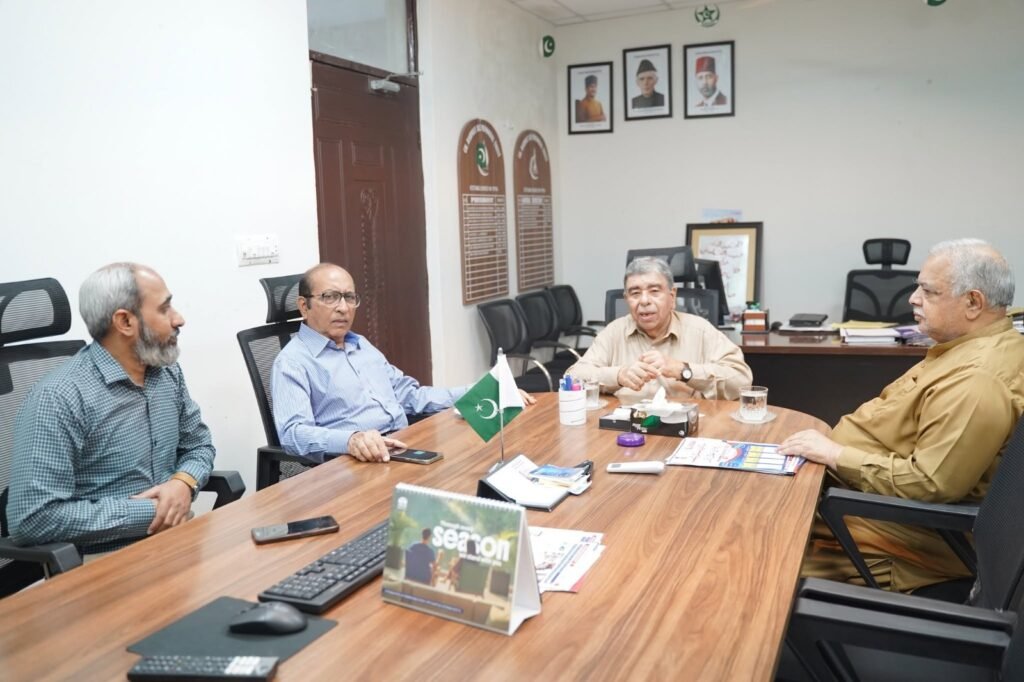
Healthcare institutions are created on the commitment, skill, and vision of many people. “The development of each hospital is a story of planning, professional collaboration, and commitment to serve the community.” It’s a chance to return to these roots and look at the people who helped build vital healthcare facilities.The visit of Mr. Sohail Kibriya, a leading Pakistani geotechnical engineer who recently served with NESPAK (National Engineering Services Pakistan), was an honor for Ch. Rahmat Ali Hospital.His professional involvement in the hospital’s early construction design clearance process in the 1980s makes his visit especially valuable to the institution—the Sohail Kibriya Visit to Ch. Rahmat Ali Hospital was a remarkable occasion that linked the hospital’s historical foundations with its current development. During his visit, Mr. Kibriya also commended Trust Management’s efforts to preserve the institution’s legacy, upgrade its infrastructure, and continue providing compassionate and affordable healthcare services.His words of encouragement motivated the hospital staff and reminded them of the value of professional efforts in building institutions that serve communities for centuries.
Who Is Sohail Kibriya of NESPAK?
Mr. Sohail Kibriya is a Pakistani geotechnical engineer who worked with NESPAK, an engineering firm linked to significant infrastructure and economic projects in Pakistan. Geotechnical engineering is an important part of construction, where engineers investigate soil conditions, foundation requirements, and other factors needed for structural stability.Well-engineered assessments and design approvals are crucial to the construction planning process for hospitals and other major facilities. Mr. Kibriya has a professional association with Ch. Rahmat Ali Hospital since its early years. According to the hospital’s report, he was among the specialists who participated in the construction design approval process in the early 1980s. His recent visit was therefore more than a courtesy call. It was a chance to return to an institution tied to a significant period of his professional life.
Sohail Kibriya Visit to Ch. Rahmat Ali Hospital: Reconnecting with History
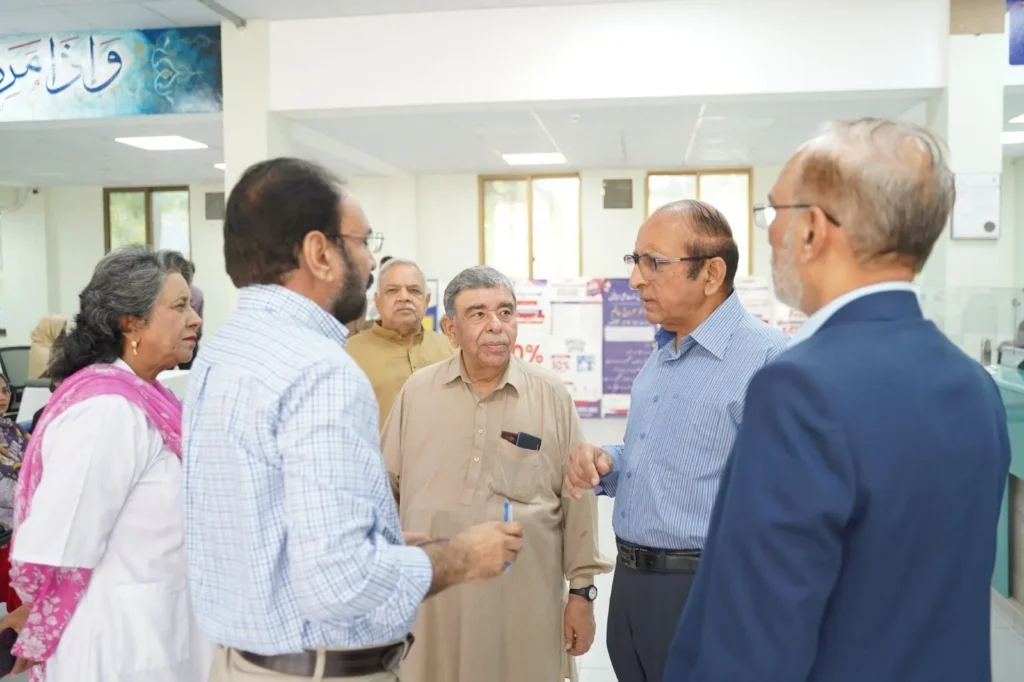
Sohail Kibriya’s visit was a momentous occasion for the administration and personnel of Ch. Rahmat Ali Hospital.This is a place where I did some of my early professional work. Going back brings up memories and shows how institutions can change over time.During his visit, Mr. Kibriya again went to the hospital and saw the efforts underway to preserve and improve the institution.He applauded the Trust Management’s dedication to preserving the hospital’s character, modernizing its facilities, and continuing with its healthcare purpose.The visit also highlighted the people who contributed to the growth of community institutions.Their professional experience, planning, and commitment can have a long-lasting effect beyond the original construction project.For the hospital team, it was meaningful to be appreciated by someone involved in its early development.
NESPAK’s Professional Connection with Hospital Construction
National Engineering Services Pakistan (NESPAK) is a household name in Pakistan’s engineering and consultancy sector.Engineering experts handle the technical planning, evaluation, and design work that goes into creating structures and infrastructure.Hospital construction needs special attention because healthcare buildings must support medical services, patient circulation, staff requirements, and vital facilities.Introduction to Geotechnical EngineeringGeotechnical engineering is the science of the behavior and properties of soil and other materials in the earth.Some of the key concerns are:
Ground and soil survey.
Recommendations for foundation planning and engineering.
Ground stability and suitability for building.
Structural support requirements
Technical review of construction plans.
These factors help construction professionals make informed decisions about foundations and site conditions.
The history of association between Mr. Sohail Kibriya, NESPAK, and the hospital testifies that engineering acumen can help build healthcare infrastructure.The Sohail Kibriya visit to Ch. Rahmat Ali Hospital also provided an opportunity to recognize the value of such professional inputs.
Ch. Rahmat Ali Hospital History: Building a Foundation for Community Healthcare
Ch. Rahmat Ali Hospital is a key part of Lahore’s community healthcare system.Its development is a story of people who worked to construct an institution that would make medical services available.Professional planning and design methods guided the hospital’s development in the 1980s during its early phase. The hospital said Mr Sohail Kibriya was one of the engineers involved in the clearance process for the hospital’s construction design.With this history, current management and the community can appreciate the work that went into establishing the institution.It also underlines the importance of safeguarding institutional records, acknowledging professional efforts, and protecting infrastructure.Preserving an Institutional LegacyAn institution’s legacy is not only its original construction. It is also the people it serves, the services it offers, and the efforts to maintain its standards.Preserving a healthcare organization’s legacy means continuing to support patients while meeting evolving medical and infrastructure requirements.The hospital management is committed to infrastructure enhancements to preserve facilities that support patient care.The visit of Sohail Kibriya to Ch. Rahmat Ali Hospital was an opportunity to appreciate this work in progress and reconnect with the institution’s past.
Trust Management’s Efforts Towards Infrastructure Development
Health care facilities require constant attention to remain open, accessible, and adequate for patient needs.As medical services evolve, hospitals must address infrastructure upgrades, facility upkeep, and operational needs.Trust Management has worked to modernize its infrastructure, while retaining the hospital’s character and preserving its purpose of affordable treatment.
Why Hospital Infrastructure Development Matters
Hospital infrastructure is crucial to supporting medical staff and improving the patient experience.There are 4 key areas of infrastructure management:
Maintaining patient areas in a clean and tidy condition.
Improving the basic facilities in hospitals.
Supporting suitable clinical settings.
Keeping buildings safe and functional.
Enhancing access for patients and visitors.
Supporting the hospital to work efficiently.
Infrastructure development is a continuing duty. It takes preparation, investment, and attention to the requirements of patients and healthcare providers.Recognition from the experts involved in an institution’s original development might motivate management teams to continue their improvement efforts.
Affordable Healthcare Services in Lahore
Health care should not be a crushing financial burden on families.”Lahore is a densely populated city, and many people struggle to access consultations, diagnostic examinations, and other medical services. Charitable healthcare organizations are critical in helping underprivileged areas obtain the care they need.Ch. Rahmat Ali Hospital is committed to providing compassionate, affordable healthcare services.Its broader mission in healthcare is to serve patients and families who need accessible medical assistance.
The Importance of Compassionate Healthcare
Healthcare is more than just treatment techniques and medical facilities. It involves understanding patient concerns, respecting their dignity, and providing appropriate aid.Compassionate care is…
Friendly talk with the patients.
Good medical advice.
A supportive setting for the patient’s therapy.
Access to health care.
It’s about supporting families in need.
The hospital’s commitment to healthcare with CARE shows the need to combine medical services with empathy and responsibility.Sohail Kibriya’s visit to Ch. Rahmat Ali Hospital emphasized the need to continue this mission while preserving the institution’s legacy.
The Importance of Recognizing Professional Contributions
Every established organization has a history shaped by diverse experts, employees, sponsors, and community members.Engineers, architects, medical professionals, and administrators all play different roles in building and operating healthcare institutions.Recognizing this contribution helps keep the institution’s history alive and establishes a bridge between earlier generations and present-day teams.Mr. Sohail Kibriya’s visit is a significant example of this relationship.Acknowledging the administration’s efforts motivates the team responsible for sustaining and expanding the hospital.It also reminds us that building a community institution is shared work that continues long after its original construction.
Ch. Rahmat Ali Memorial Trust: A Commitment to Healthcare and Community Service
Ch. Rahmat Ali Memorial Trust promotes community welfare through health care, education, and religious study.The expanded mandate underscores the need to bring important services closer to people from all walks of life.“The hospital has a big part to play in this to help marry the Trust’s charitable ideals with practical healthcare services.Building a Better Future Through Community ServiceCommunity development is a partnership among institutions, professionals, contributors, and the people served.Charitable healthcare organizations can make a difference by treating patients, improving facilities, and fostering responsible community engagement.There are many ways people can help these efforts:
Supporting existing non-profit health programs.
Providing information about the services available in hospitals.
Incentivizing the right gifts
Making people aware of economical healthcare.
Supporting education and community welfare programs.
Sohail Kibriya’s visit to Ch. Rahmat Ali Hospital reminds us of the importance of honoring the work of the people who helped build institutions that still serve the public.
Looking Ahead: Continuing a Legacy of Care
The future of a health care institution depends on its capacity to retain its aims while responding to the changing demands of the community.For Ch. Rahmat Ali Hospital, this includes focusing on accessible healthcare, infrastructural development, and patient-centric services.Long-term planning is crucial, and the Trust Management’s devotion to the institution’s heritage and to enhancing its facilities reflects that.As the hospital continues to evolve, professional recognition and historical ties may be a basis for support.Sohail Kibriya’s visit to Ch. Rahmat Ali Hospital reminds us that institutions are built on teamwork, professional expertise, and a shared dedication to public service.
Conclusion: Honoring the Past, Strengthening Healthcare for Tomorrow
The visit of Mr. Sohail Kibriya was a memorable moment in the history of Ch. Rahmat Ali Hospital.As a geotechnical engineer with NESPAK, he was one of the specialists involved in the hospital’s early building design approval process, and his return was a significant link between the institution’s past and present.His admiration for the Trust Management’s work in preserving the hospital’s legacy, upgrading the infrastructure, and continuing to provide compassionate and affordable healthcare encouraged the entire staff.The Sohail Kibriya Visit to Ch. Rahmat Ali Hospital reminds us that every institution has a story shaped by the people who contribute to its development.Ch. Rahmat Ali Hospital continues to uphold its purpose of serving the Community through Healthcare with CARE.Celebrating Our Heritage. Thanking our contributors. Continuing our compassionate healthcare mission.
FAQs: Frequently Asked Questions
Who is Mr Sohail Kibriya?
Mr. Sohail Kibriya is a Pakistani geotechnical engineer who has worked with NESPAK. He was among the specialists participating in the design clearance process for the development of Ch. Rahmat Ali Hospital in the early 1980s, the hospital said.
Why did Sohail Kibriya go to Ch. Rahmat Ali Hospital?
He returned because of his professional involvement in the hospital’s early construction and design approval. He noted throughout the visit the Trust Management’s efforts to protect and develop the institution.
What is the relation between NESPAK and Ch. Rahmat Ali Hospital?
The hospital’s version said that Mr Sohail Kibriya, a NESPAK employee, was one of the professionals involved in approving the hospital’s construction design in the early 1980s.
What is geotechnical engineering in hospital building?
Geotechnical engineering concerns soil properties, ground stability, and foundation needs. Construction experts use this information to make informed decisions about building and foundation design.
What is the specialty of Ch. Rahmat Ali Hospital?
Ch. Rahmat Ali Hospital is a community health care institute in Lahore run by Ch. Rahmat Ali Memorial Trust. Its objective is to provide compassionate, inexpensive health care services.
What is Ch. Rahmat Ali Hospital doing to improve its infrastructure?
Trust Management has been working to uphold the institution’s legacy and improve its infrastructure to support its ongoing health care mission. For details on these changes, contact the hospital directly.
How can people support Ch. Rahmat Ali Hospital?
People can help the hospital by learning about its healthcare programs, spreading the word about its services, donating through certified official contribution methods, and encouraging community participation.Ch. Rahmat Ali HospitalCh. Rahmat Ali Hospital is committed to providing cost-effective and compassionate health care services to the community.Website:https://www.chrahmatalihospital.org.pk/Healthcare with CARE.

 Who Is Sohail Kibriya of NESPAK?
support_665579